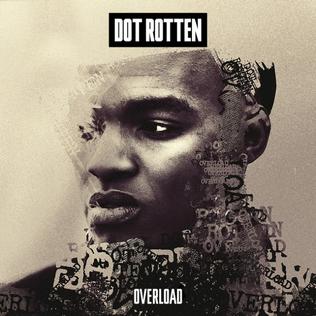
The landscape of British urban music is rich with stories of artists who meticulously honed their craft in the underground before breaking through to wider acclaim. Among these, the journey of Joseph Ellis-Stephenson, better known as Dot Rotten, stands out, particularly with the release of his seminal track, "Overload." More than just a song, Overload Dot Rotten represents a pivotal moment – a sonic bridge from the raw, unpolished energy of grime's foundations to the expansive, genre-bending sounds that would redefine mainstream perception. This article delves into the intricate layers of "Overload," exploring its musical innovation, lyrical depth, and the enduring impact it had on Dot Rotten's career and British music as a whole.
The Genesis of "Overload": A Grime Pioneer's Leap
From Underground Roots to Mainstream Horizons
Before the widespread recognition brought by "Overload," Dot Rotten had already carved a significant niche for himself in the fiercely competitive UK grime scene. Emerging in the mid-2000s under the moniker Young Dot, Ellis-Stephenson quickly gained a reputation as a prodigious talent, not just as an MC but also as a producer. His early mixtapes, such as "This Is the Beginning" (2007) and the aptly named "R.I.P. Young Dot" (2008) – which signaled his rebranding to Dot Rotten – showcased a raw lyrical prowess and an innovative approach to beat-making. The name Dot Rotten itself carried a powerful message, an acronym for "Dirty on Tracks, Righteous Opinions Told to Educate Nubians," reflecting his commitment to conscious lyricism within a gritty sonic framework.
Affiliating with influential crews like OGz alongside artists such as P Money and Little Dee, Dot Rotten became a key figure in the underground grime movement. His collaborations with scene heavyweights like Ghetts, Tinie Tempah, and Wiley further solidified his status, earning him recognition from vital platforms like Mixmag and prominent DJs including Mistajam and Westwood. His versatile style, influenced by an eclectic mix spanning Bob Marley, Timbaland, Sting, and Lil Wayne, hinted at a broader artistic vision, one that transcended traditional grime boundaries and often blended elements of pop and R&B.
The groundwork laid during these formative years culminated in a gradual ascent, punctuated by his feature on the 2011 Children in Need charity cover of Massive Attack's "Teardrop." This exposure foreshadowed his imminent breakthrough, setting the stage for a major label signing with Mercury Records and the anticipation for his debut studio album, "Voices in My Head."
The Collaborative Magic: Dot Rotten and TMS
The creation of "Overload" was a testament to strategic collaboration. While Dot Rotten was a seasoned producer in his own right, the decision to work with British production duo TMS for "Overload" proved instrumental in expanding its appeal. TMS, comprising Tom Havelock, Ben Kohn, and Kyle Simmons, had already garnered significant mainstream success, crafting hits for pop artists like Cher Lloyd and Olly Murs. This partnership wasn't just about beat-making; it was about fusing Dot Rotten's distinct grime sensibility with TMS's polished, commercially astute production acumen. The result was a track that retained the authentic grit of the underground while being meticulously engineered for mass consumption. This collaboration was a shrewd move, bridging the gap between Dot Rotten's established fan base and a much broader audience unfamiliar with the intricacies of grime.
Deconstructing the Sound: Grime, Dubstep, and a Timeless Sample
A Fusion of Forces: Grime's Grit Meets Electronic Sophistication
At its core, "Overload" is a masterclass in genre fusion. It seamlessly weaves together the raw, kinetic energy of grime with the pulsating basslines and intricate sound design of dubstep, all underpinned by broader electronic elements. This unique blend was not merely stylistic; it was a deliberate artistic statement that showcased Dot Rotten's innovative spirit. The track's architecture allowed for the lyrical intensity to sit comfortably atop a beat that was both driving and melodically rich, creating a listening experience that was simultaneously visceral and emotionally resonant. This genre-bending approach was key to its success, demonstrating how British urban music could evolve beyond conventional definitions and appeal to diverse tastes. For a deeper dive into how these genres intertwine, you might find Dot Rotten's Overload: Grime, Dubstep, & Mental Strain Unpacked to be an illuminating read.
The Iconic Sample: Robert Miles's "Children" Reimagined
Perhaps one of the most recognizable elements of "Overload" is its prominent sample of the piano melody from Robert Miles's iconic 1995 instrumental, "Children (Dream Version)." Miles's track is a quintessential piece of trance music, known for its serene, melancholic, and deeply atmospheric piano riff. Dot Rotten and TMS took this instantly recognizable, calming motif and ingeniously transformed it into a "high-energy backdrop" for Dot Rotten's raw and urgent delivery. This recontextualization was brilliant; it leveraged the nostalgic familiarity and emotional weight of the original sample but imbued it with a new sense of urgency and intensity. The contrast between the inherent dreaminess of the piano and the track's thematic focus on mental strain created a compelling tension, making the beat unforgettable and instantly iconic. Understanding the journey of this sample offers fascinating insight, which you can explore further in Robert Miles to Grime: The Story Behind Dot Rotten's Overload Sample.
Lyrical Depth and Emotional Resonance: The "Overload" Message
Unpacking the Inner Turmoil: Mental Strain and Escape
Beyond its innovative sonic tapestry, "Overload" resonated deeply due to its profoundly introspective and honest lyrics. Dot Rotten used the track as a powerful outlet to address themes of mental strain, emotional overload, exhaustion, and the profound desire for escape. The chorus captures this sentiment with stark clarity:
Inhale, exhale, I’m tired of it
I don’t wanna breathe
I just wanna leave
Or I’ll be stuck here till my soul flies
Inhale, exhale, I’m tired of it
I don’t wanna breathe
What’s the point me being here
I just wanna leave
Can you show me to the pain killer (Killer, killer)
I’ll be searching for a pain killer (Killer, killer)
Can you show me to
These lines are a raw confession of vulnerability, reflecting the pressures of artistic ambition, the grind of the industry, and perhaps personal struggles. Dot Rotten articulated a feeling many experience but often struggle to voice: the yearning for a "pain killer," not necessarily literal, but a means to alleviate an overwhelming emotional burden. This unflinching honesty made "Overload" a cathartic experience for listeners and opened up a space for discussing mental health in music, long before it became a more mainstream topic.
Practical Tip: Recognising signs of emotional "overload" or burnout, whether from work, creative pursuits, or personal life, is crucial. If Dot Rotten's lyrics resonate with you, remember that seeking a "pain killer" can come in many forms, from confiding in trusted friends or family, taking mental breaks, engaging in mindfulness, or seeking professional support. It's a reminder that even the strongest individuals can feel overwhelmed, and expressing those feelings is a sign of strength, not weakness.
Dot Rotten's Delivery: Raw Honesty
Dot Rotten's vocal delivery on "Overload" is nothing short of captivating. His "raw delivery" amplified the emotional weight of the lyrics, conveying a sense of genuine frustration and urgency. There’s an unvarnished quality to his voice that makes the introspective themes feel incredibly authentic. He wasn't just rapping words; he was embodying the struggle, making his vulnerability palpable. This ability to infuse his performance with such profound emotional depth cemented his reputation as an artist capable of connecting with audiences on a deeply personal level, even within the high-energy context of grime and electronic music.
Mainstream Impact and Enduring Legacy
Chart Success and Critical Acclaim
The impact of Overload Dot Rotten was immediate and substantial. Building anticipation, the track premiered on BBC Radio 1 as DJ Zane Lowe's "Hottest Record in the World" on March 26, 2012. This coveted accolade instantly signaled the song's significance and ensured widespread airplay ahead of its commercial release on June 3, 2012. Upon its release, "Overload" debuted and peaked at number 15 on the highly competitive UK Singles Chart, spending an impressive six weeks in the Top 100. Its success was even more pronounced on the UK Hip Hop and R&B Singles Chart, where it soared to number 3 and remained for eight weeks. These chart positions were not merely numbers; they represented a significant mainstream breakthrough for Dot Rotten, validating his transition from the underground and showcasing his potential to reach a much broader audience without compromising his artistic integrity.
A Defining Moment for British Urban Music
"Overload" was more than a personal triumph for Dot Rotten; it was a defining moment for British urban music. The song's ability to seamlessly fuse grime, dubstep, and electronic elements, coupled with its mainstream appeal and chart success, solidified Dot Rotten's reputation as an innovative figure. He proved that an artist rooted in the grime scene could crossover, not by diluting their sound, but by evolving it, embracing new influences, and delivering profoundly resonant messages. "Overload" helped to blur genre lines, demonstrating the versatility and depth inherent in UK urban music and paving the way for future artists to experiment and innovate. Its enduring influence can be heard in the continued evolution of British music, where genre boundaries are increasingly fluid and emotional honesty is highly prized.
In conclusion, Overload Dot Rotten remains a powerful testament to artistic evolution, lyrical courage, and innovative sound design. It marked Dot Rotten's triumphant transition from a respected underground grime MC to a mainstream innovator, showcasing his ability to blend genres and articulate profound emotional truths. With its iconic sample, genre-defying production, and introspective lyrics on mental strain, "Overload" cemented its place not just as a hit song, but as a crucial milestone in the rich tapestry of British urban music, reminding us of the enduring power of vulnerability and breakthrough.